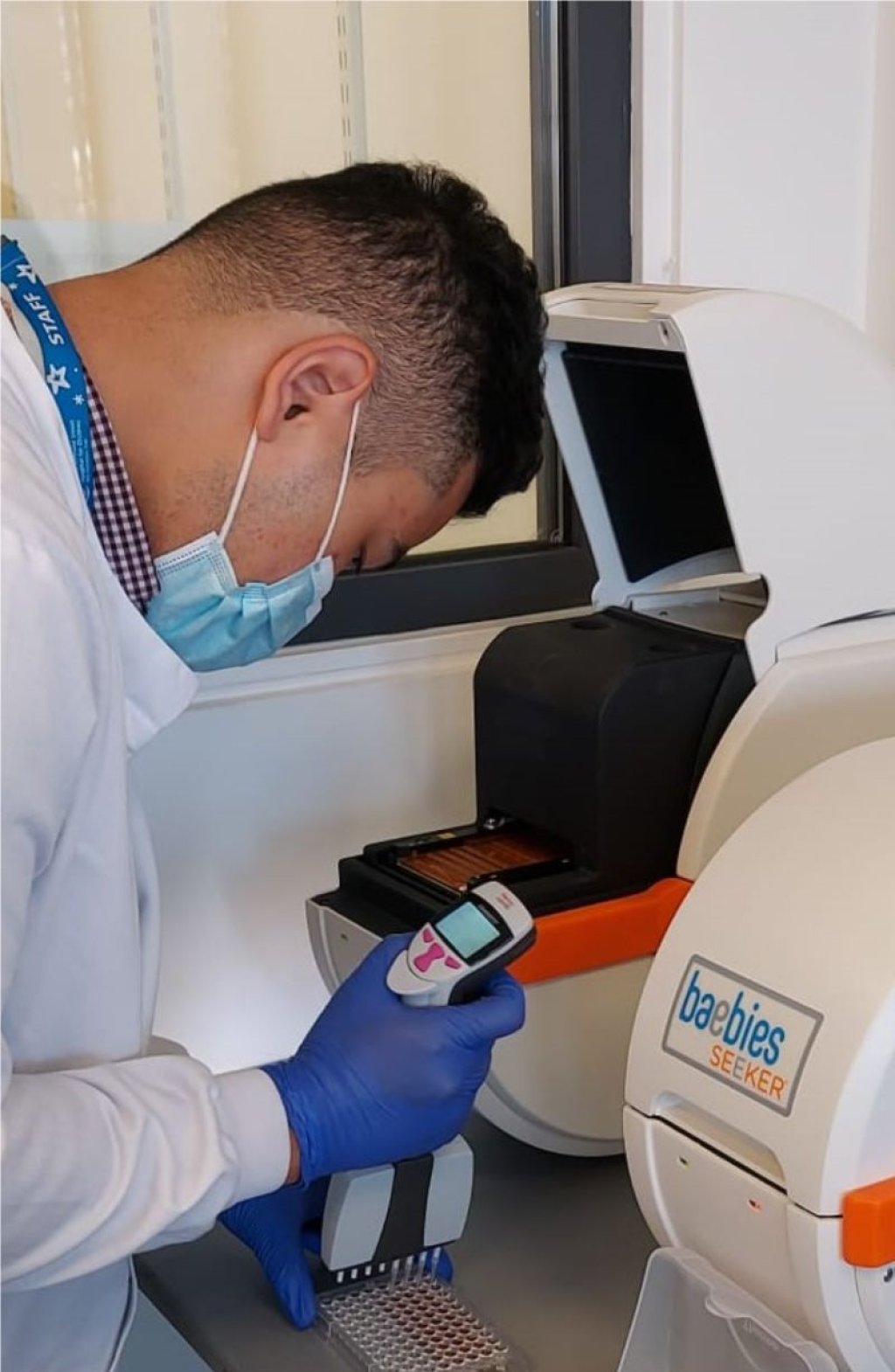
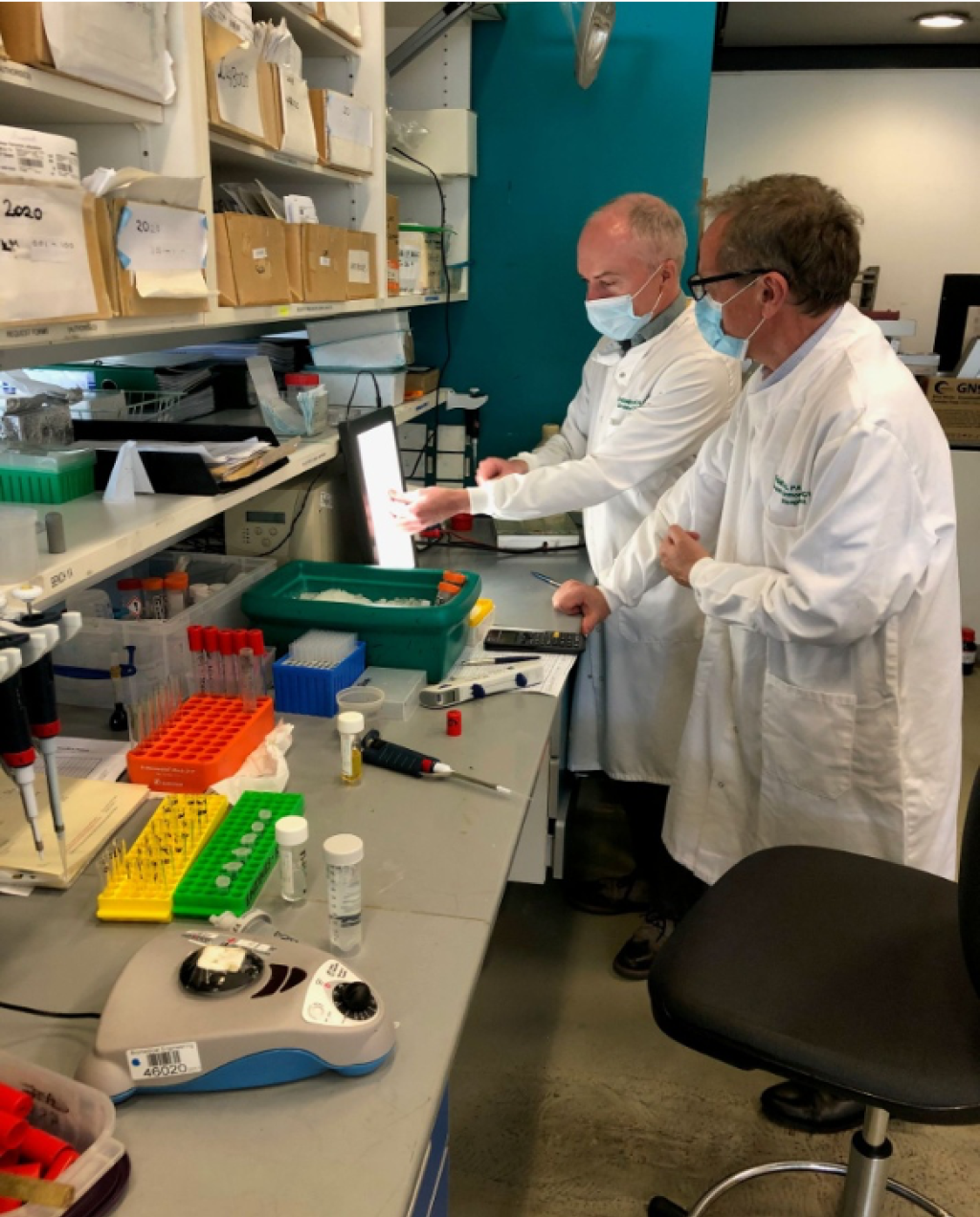
The MPS Society has been funding cutting-edge research into MPS, Fabry and related diseases since its inception in 1982.
To this day, the MPS Society has spent close to £6 million on research projects into these conditions, to find better treatments and care. Scientific breakthroughs and new technologies offer hope for diagnoses and treatments for those affected that was unimaginable a few years ago.
The sooner we can accelerate our research and take advantage of these opportunities, the quicker we can help even more people affected by MPS, Fabry or a related lysosomal disease.
Clinical Scientific Advisory Board (CSAC)
Our Clinical Scientific Advisory Committee (CSAC) consists of members of our Board of Trustees and the Society’s Patient Advocacy team. These members come from medical, healthcare or research backgrounds from a broad range of disciplines and perspectives who will consider research applications each year.
All proposals will be subject to a review process to ensure they meet our high standard of quality. The committee will make an informed recommendation to our Board of Trustees who hold the final decision on how we allocate research funds.
Applications for grants will be assessed on:
The importance or burden of the health or care problem being studied
What the proposed research adds to the existing body of knowledge
The improvements in health and care this research is likely to lead to
The potential impact of the research on patients, the public and people working in health and care
Whether the cost of the research is reasonable and commensurate with the work involved
The likelihood that the research design is feasible and deliverable and answers the proposed question
We will consider applications across the breadth of metabolic medicine, but of course, will focus on MPS and related disorders.
Conflicts of interest
Both the Clinical and Scientific Advisory Committee and any external reviewers are asked to declare any conflicts of interest. Those with conflicts are not permitted to discuss or provide comment on those applications.
Application FAQs
Applications for 2026 research grants have now closed. We encourage interested applicants to monitor this page for details of the next funding round, anticipated to open in early 2027.
Following submission, grant applications will be reviewed internally by members of the MPS Society’s Clinical and Scientific Advisory Committee (CSAC). This committee includes trustees with a medical or scientific background, non-medical trustees and members of the MPS Society’s Support and Advocacy senior team. A shortlist of applications will then be sent for external peer review, by a panel of relevant medical experts. It should be noted these may include international experts.
We are committed to transparency and open access and applications will be sent out for peer-review. If you have any questions, contact us.
All applicants, successful or otherwise, will receive anonymised feedback from the Clinical and Scientific Advisory Committee and where available the peer review panel.
View our detailed Terms and Conditions of Medical Research Grants
Research grant payments will be made upon receiving an invoice in accordance with the grant agreement.
A final report must be submitted within two months of the end of the research grant and include:
A summary of the results of the research project
Indication of whether goals were met
If applicable suggestions for further research efforts needed in the field
A summary statement in lay language of the results of the research which will be communicated via emails and social media.
If the results are published in any scientific journals, provision of a copy of the article(s) is required.
The MPS Society requests that all acknowledgements include the following: ‘This work was supported by a research grant from the Society for Mucopolysaccharide Diseases (MPS Society) www.mpssociety.org.uk’
When you submit the application you will need to include:
CV of lead investigator
Detailed budget
We are committed to transparency and open access and applications will be sent out for peer-review. We would encourage all applicants, potential applicants or people with an interest to help us support impactful research by joining our peer review panel, if you are willing to spare a couple of hours reviewing an application please contact the peer review coordinator.
2026 grant recipients
We are delighted to announce the recipients of this year's Clinical Scientific Advisory Committee (CSAC) research grants and share details of their innovative projects selected for funding:
Dr Alistair Horman
A feasibility study into the production of commutable control materials for UK laboratories performing lysosomal storage disease enzymology testing
This proof-of-principle project aims to develop stable, long-term quality control materials for lysosomal storage disease enzyme testing by creating and freeze-drying blood samples with low and high enzyme activity levels for use in UK laboratories.
Dr Karolina M Stepien and Professor Iain P. Hargreaves
Secondary mitochondrial dysfunction as a cause of neurodegenerative dysfunction in Mucopolysaccharidoses
This study aims to identify biomarkers that could help predict and monitor neurological disease progression in people with MPS by investigating markers of oxidative stress and mitochondrial dysfunction across different patient groups.
Dr Giuseppe Uras
The neuronal features of Fabry Disease: from Gb3 accumulation to functional defects
This project aims to improve understanding of the neurological complications of Fabry disease by creating brain cells from patient blood samples to identify early signs of neurological decline and explore potential new treatments.
Prof. Derralynn Hughes and Dr Veronica Lentini
Macrophage dysfunction as a driver of chronic inflammation in Fabry disease: mechanistic insights and clinical implications
This project aims to understand why inflammation continues to drive disease progression in Fabry patients despite receiving current treatments by studying immune cells to identify new biomarkers and potential targets for future therapies.



Relevant research
Rare Disease Research Partners
RDRP support research and access to treatment for people living with rare conditions.
Resources
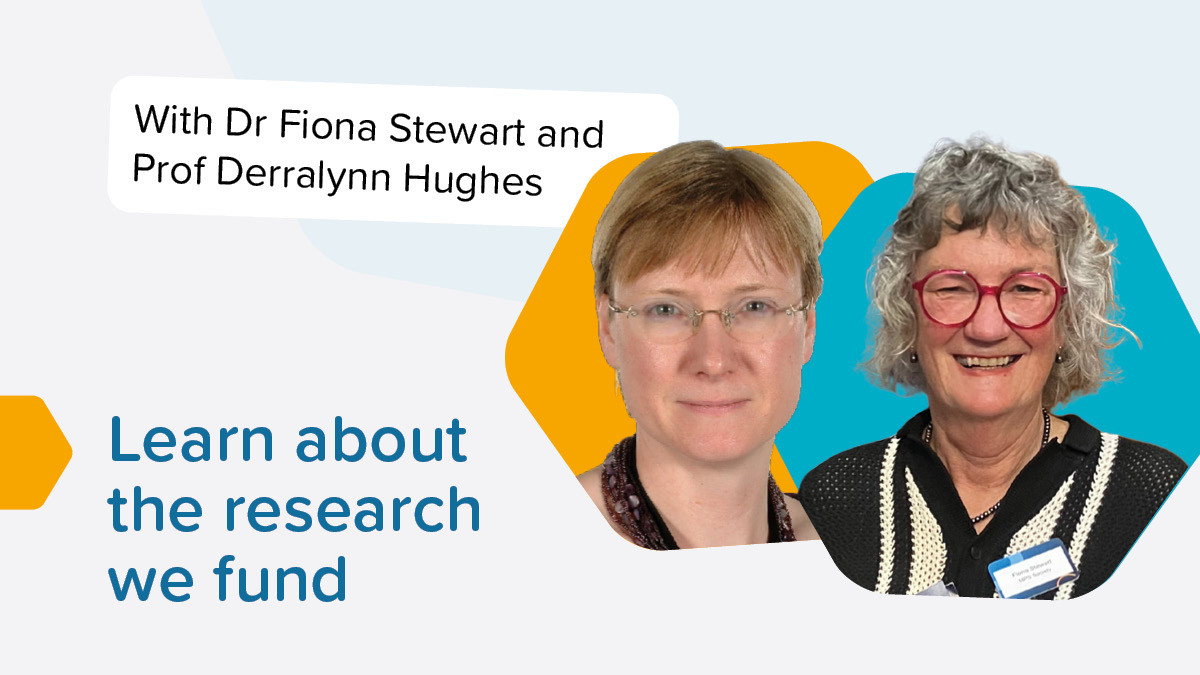
CSAC Open Day 2026
Catch up on the 2026 CSAC Open Day when Dr Fiona Stewart and Prof Derralynn Hughes were in conversation with researchers to discover the stories projects funded by CSAC.
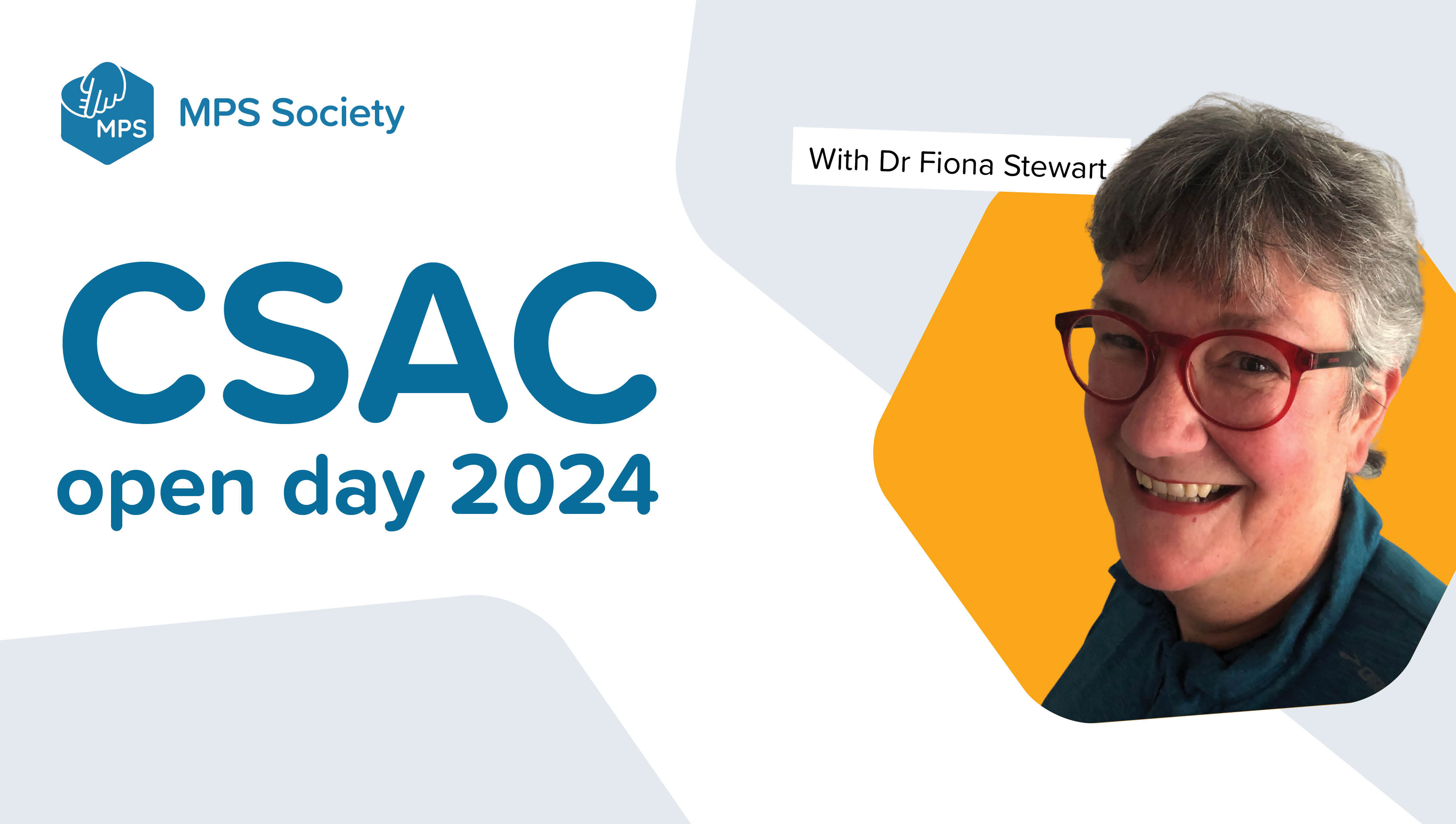
CSAC open day 2024
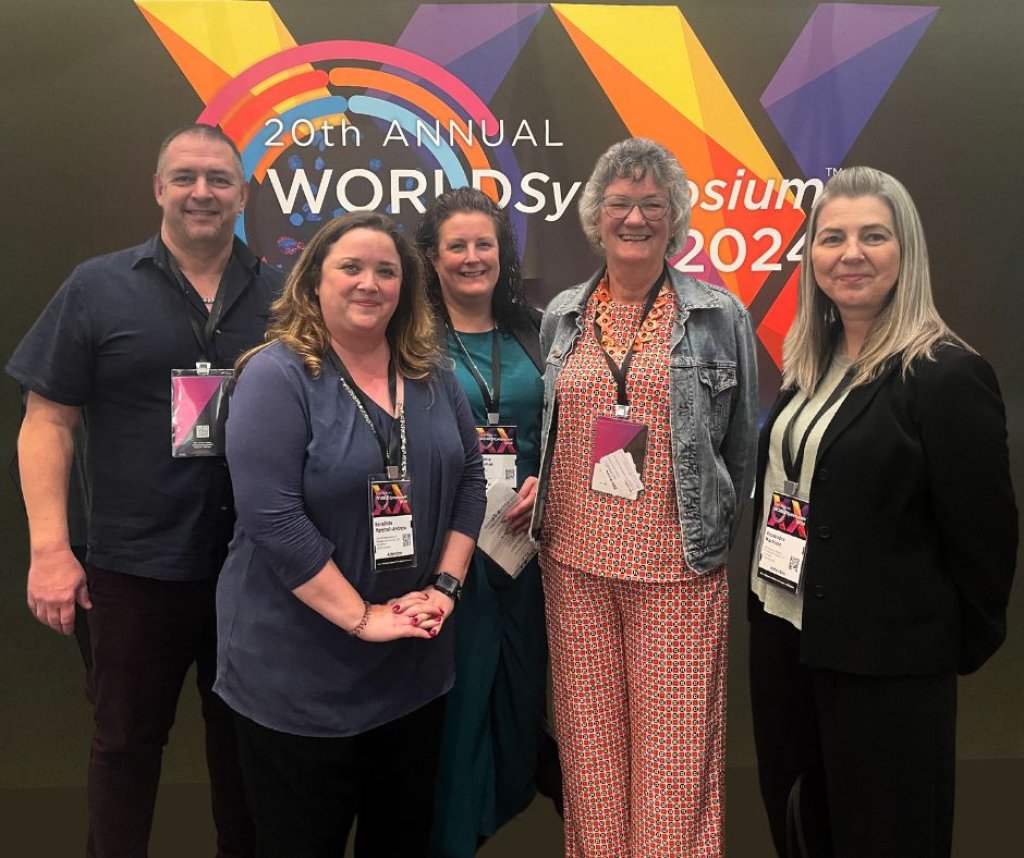
Fiona, Chair of CSAC, presents a collection of talks from researchers who have received funding from the Committee. This is possible thanks to the fundraising and donations of our supporters and the profits from RDRP each year to the MPS Society.
History of research
The MPS Society has funded research into treatments, and one day a cure, for MPS and related diseases since 1982. Take a look back at those many and varied research projects that have been funded thanks to the support of our fundraisers and donors.
Research updates

Blog
CSAC Update | January 2025
Dr Fiona Stewart looks back at a busy second half of 2024 and recalls how CSAC was able to support important future research and make meaningful connections.